About us
My path into seismic hazard was unplanned.
I started Archaeology before shifting into Earth Sciences and Geology. A fascination with earthquakes, sparked by the 2004 Indian Ocean tsunami, eventually led me into seismic hazard assessments.
What started as curiosity became something much bigger: almost two decades spent asking questions, solving problems and helping people understand what seismic hazard means for real assets and real decisions.
That’s my story!
The questions haven’t stopped.
I continue to expand my knowledge in geotechnical engineering and engineering geology through postgraduate study at UNSW, bringing the learning directly back into my work with dams and critical infrastructure.
“Vicki-Ann is a highly accomplished seismic/earthquake hazard specialist and assisted me on a number of occasions over the years with analysis and updates for dam/tailings structures - I highly recommend her.”
Wouter Hartman, Director & Senior Principal - Geotechnical & Tailings at Geohart & Associates Pty Ltd
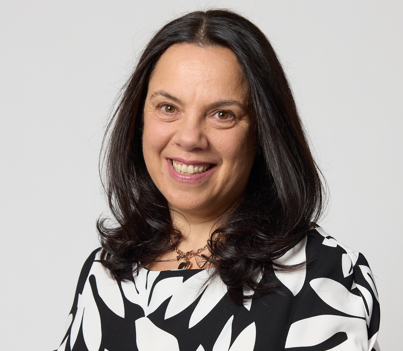
Vicki-Ann Dimas Principal Seismologist
Over almost two decades, my work has spanned across dams, mining and critical infrastructure, in Australia and internationally.
Those projects have exposed me to different geology, different tectonic environments and very different engineering problems. They reinforced something I learned early: there is rarely one model, method or answer that fits every project.
What I believe
Seismic hazard assessments are not an end in themselves.
The value lies in understanding what the information means and how it can be applied to real decisions.
My role is not simply to provide data, models or reports. It is to help clients understand uncertainty, evaluate options and work out what should happen next.
EXPERIENCE SHAPED BY DIFFERENT QUESTIONS
My work has included more than 200 independent seismic hazard reviews, contributions to the ANCOLD Earthquake Guidelines, and participation in Australia's National Seismic Hazard Assessment projects.
The technical work matters. But so does knowing what to question, where uncertainty matters, and how the results will actually be used.